Hemantane and the Adamantane Family: A Literature Review
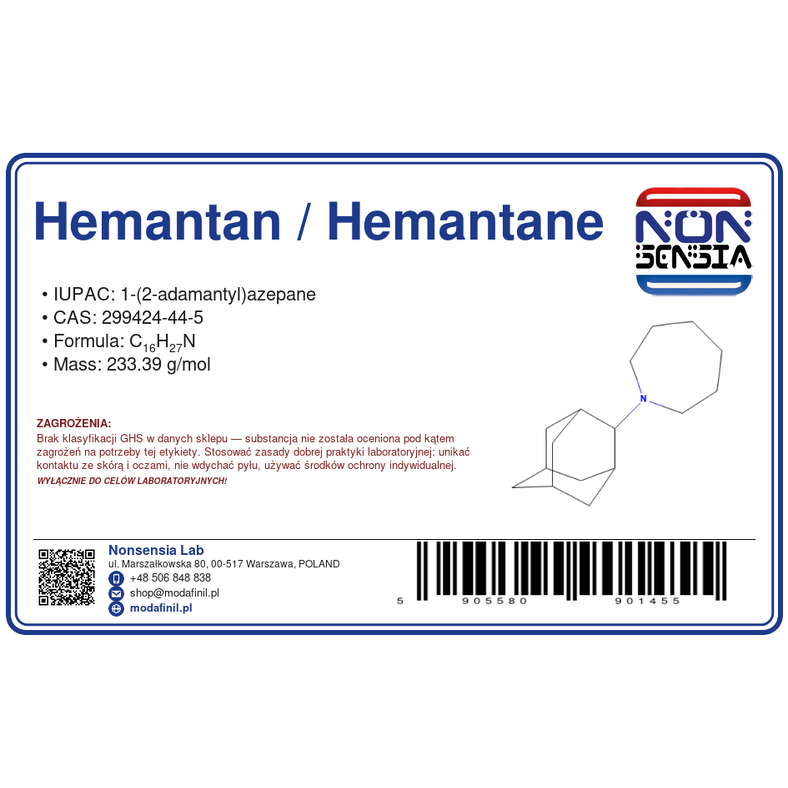
Hemantane appears in databases under two transliterations, which splits its literature in half. A review of the studies and the context of the adamantane family.
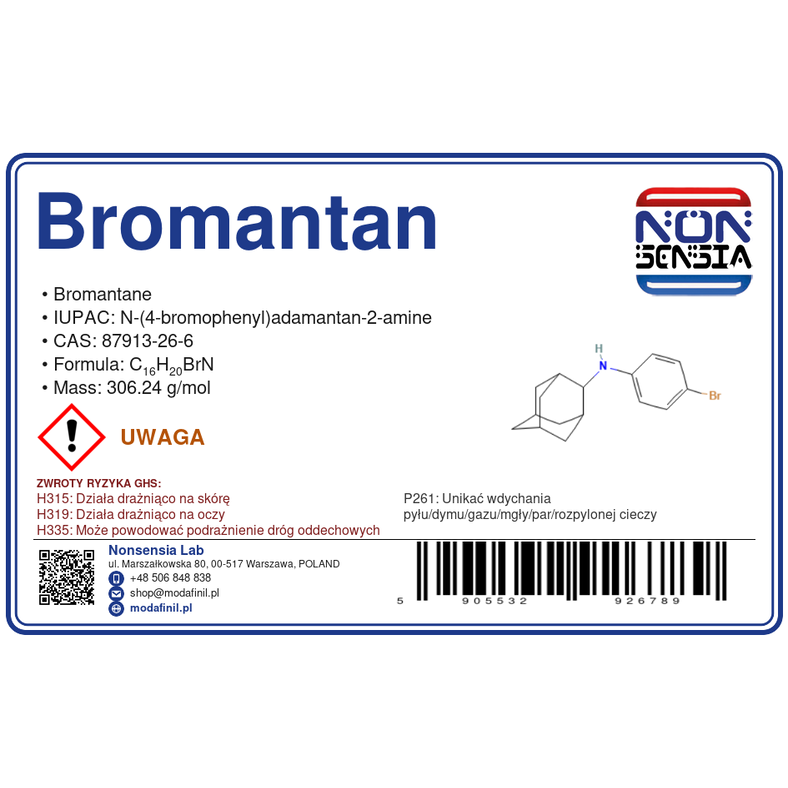
Bromantane reached the West through doping control in 1996. What the Russian-language literature of the 1990s says and where its limits lie.
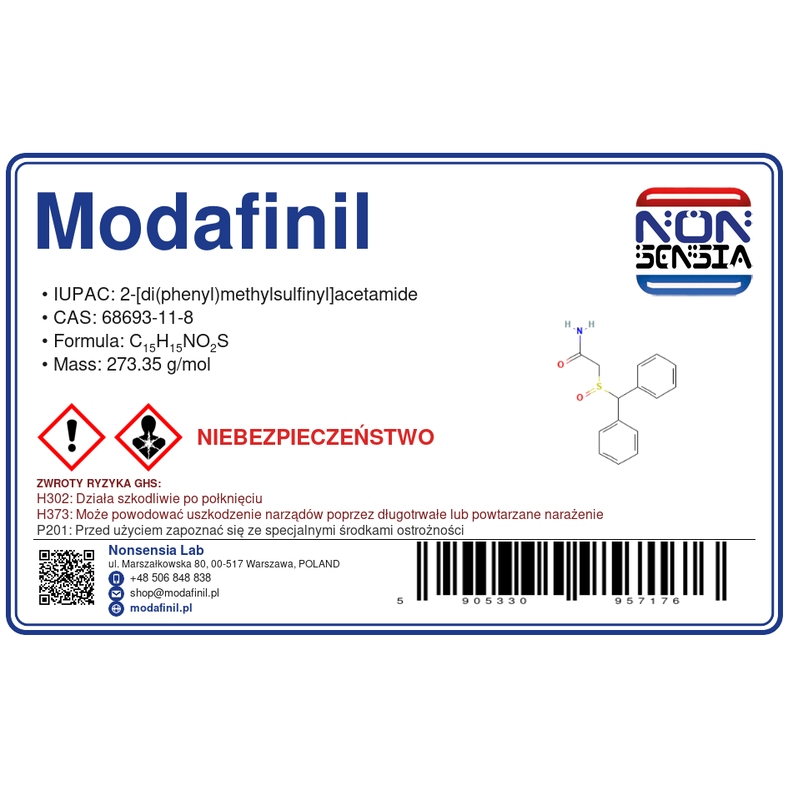
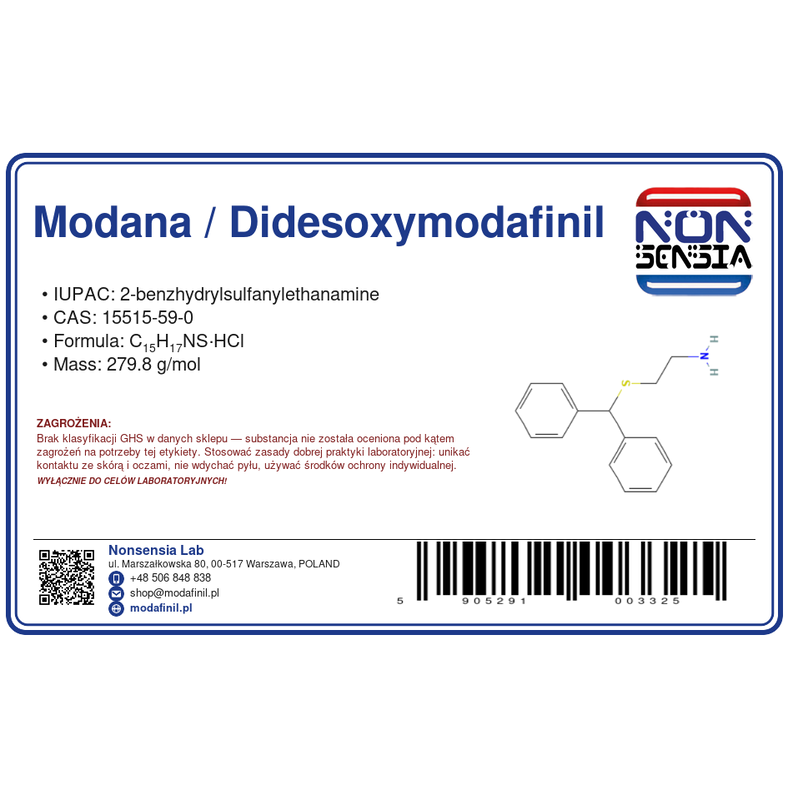
Removing the oxygen from the sulfoxide group eliminates the stereogenic center at sulfur and increases susceptibility to oxidation. What this means in practice.
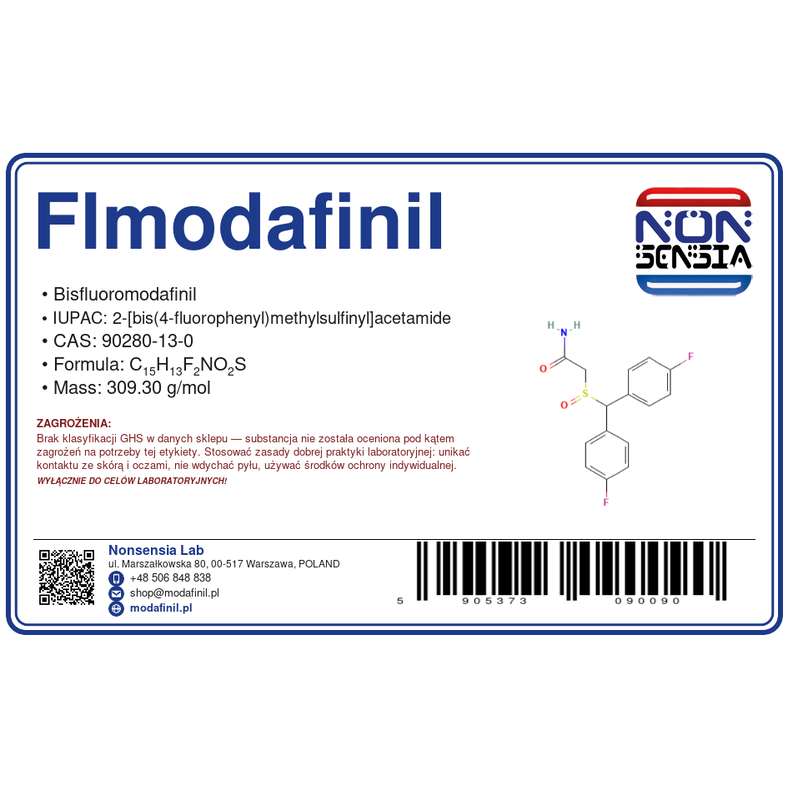
Flmodafinil differs from modafinil by two fluorine atoms. What this means for chemistry, chromatography, and identification of the material.
For more than a decade, modafinil’s binding to the dopamine transporter was considered too weak to explain anything. What the imaging studies settled.
The same molecule has two correct masses: molar and monoisotopic. Where the difference comes from and when it starts to matter.
A CAS Registry Number has a check digit you can verify on paper. What it identifies unambiguously, and what it does not tell you at all.
A chromatogram answers the question “how much,” a proton spectrum answers the question “what.” Why NMR is proof of identity, while retention time is only circumstantial evidence.
An HPLC purity result rests on three silent assumptions. Each of them can fail — and always in the direction of overestimation.
A certificate of analysis is a record of the measurements someone chose to perform. Which fields are most often left blank, and why those ones in particular.